
Decisions in milliseconds.
Noma reads a state and a few typed questions and returns a probability for every option, a separate abstain signal, and a measure of its own uncertainty. It never generates text.
Fast,calibrated,andcheaptorun.
End to end over HTTP on one H100, one question per request.
JevBench method. $0.026 self-hosted on the measured H100.
48 of 48. 98.6% on the original tier (71 of 72).
386 human-reviewed decisions across 12 families, never used in training.
Easy tier. 0.042 on the sealed set.
Full depth and a 9B backbone were no more accurate.
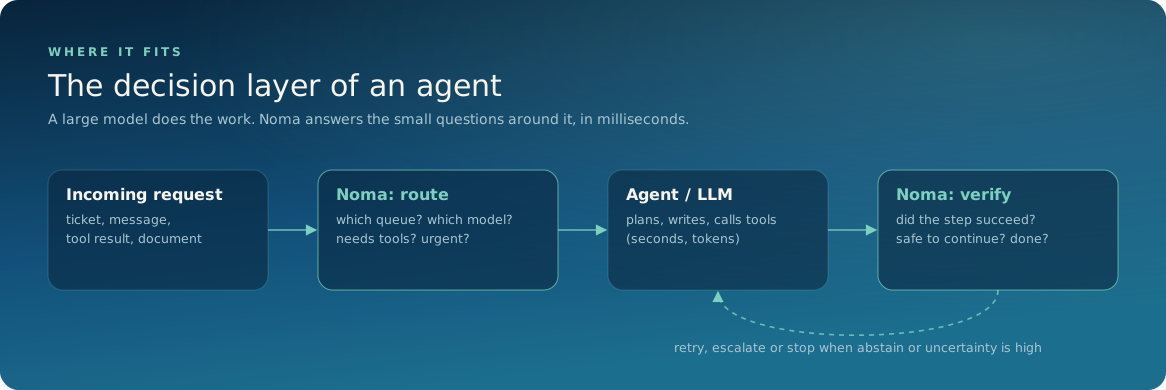
Thedecisionlayerofanagent.
Route
Which queue, which model tier, does this need tools or a person.
Verify
Did the last step succeed, is the next action safe, is the task done.
Decide
Classify, score and check, with a probability for every option.
Everynumber,withhowitwasmeasured.
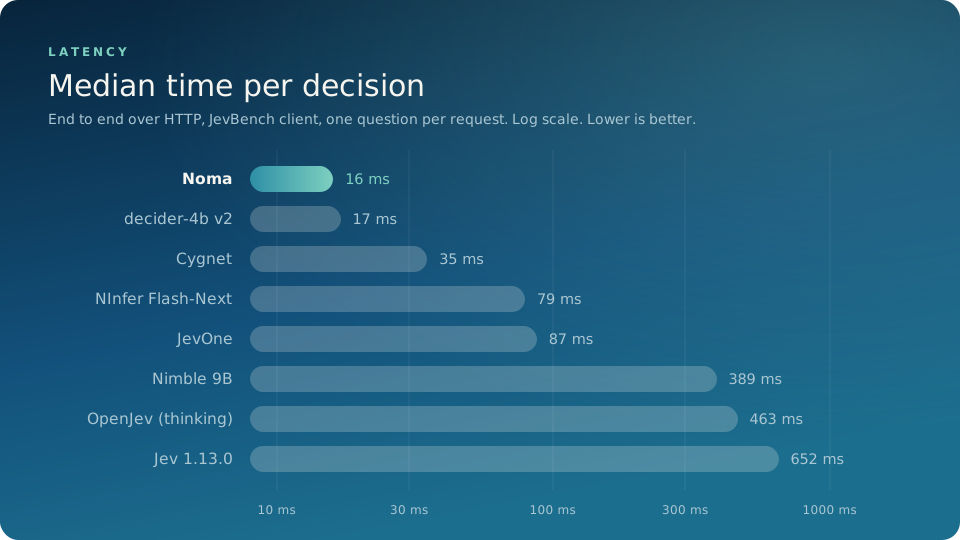
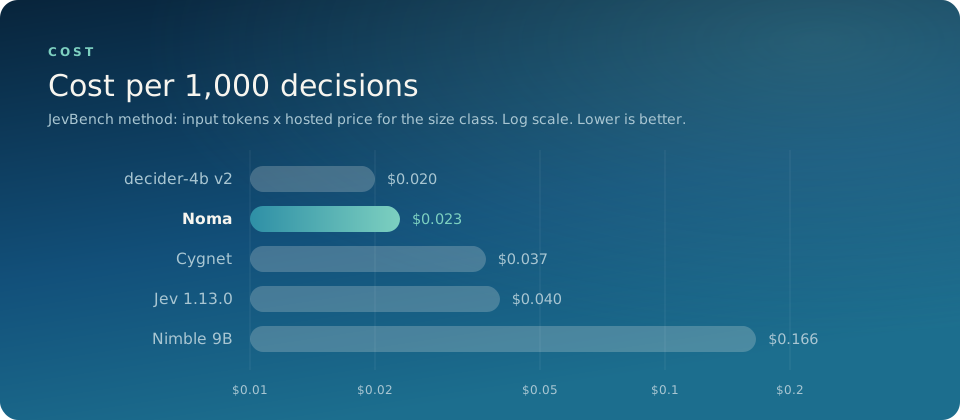
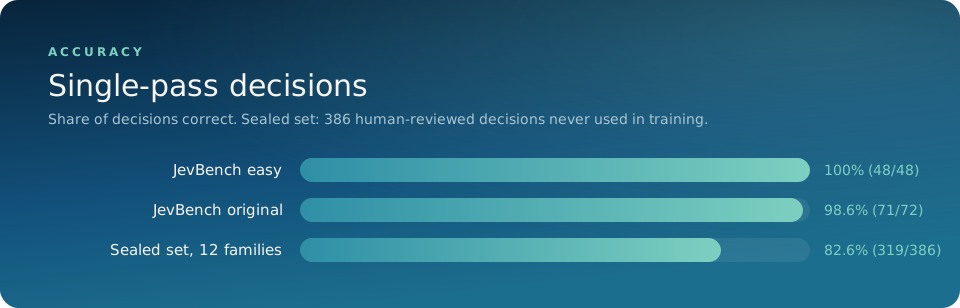
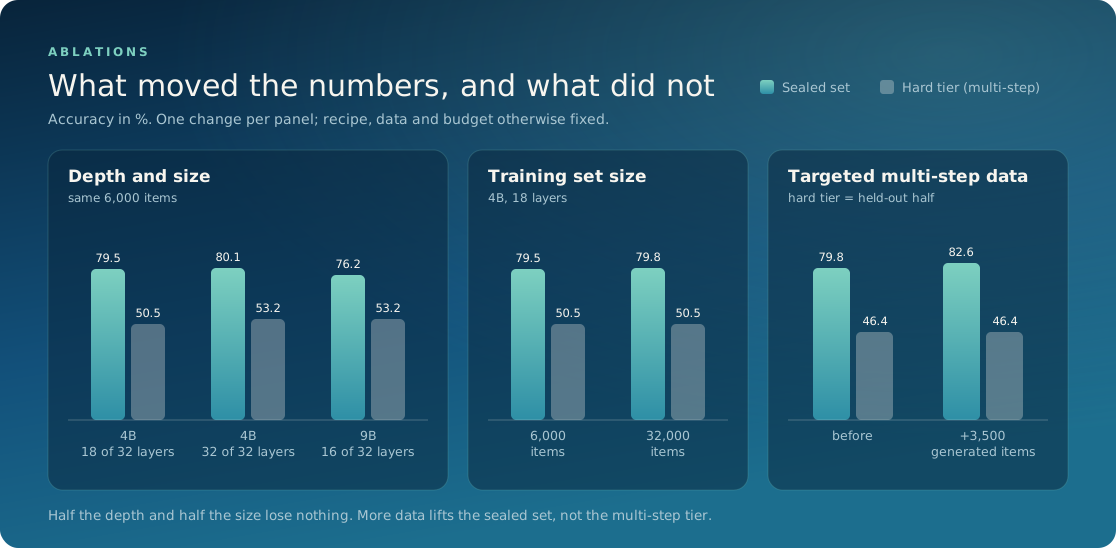
Noma's figures are our own measurements with the JevBench client and have not yet been submitted to the leaderboard. Other systems' figures are the published leaderboard values. The full evaluation, including the multi-step reasoning tier, is in the repository.
Oneforwardpass,nodecoding.
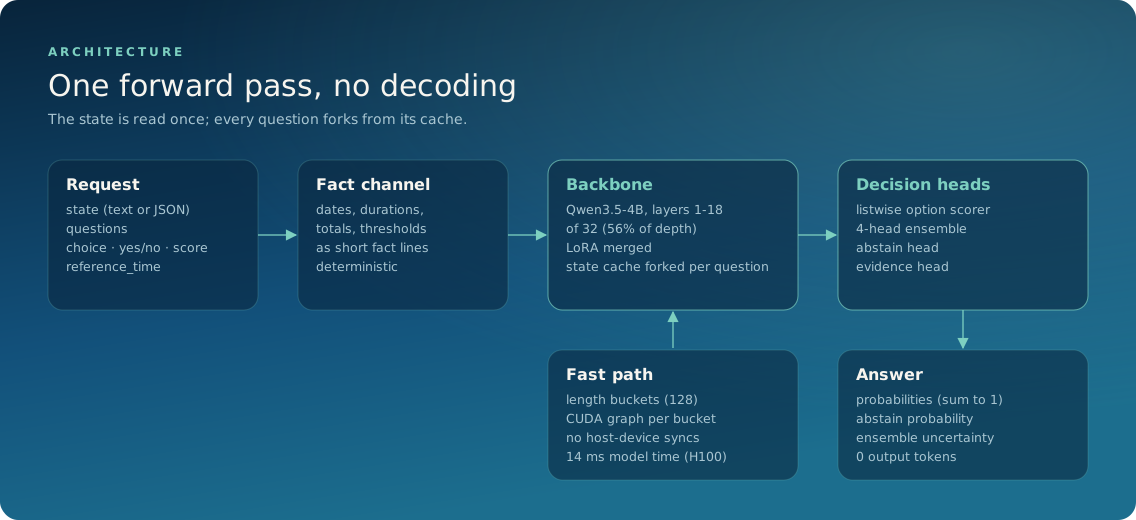
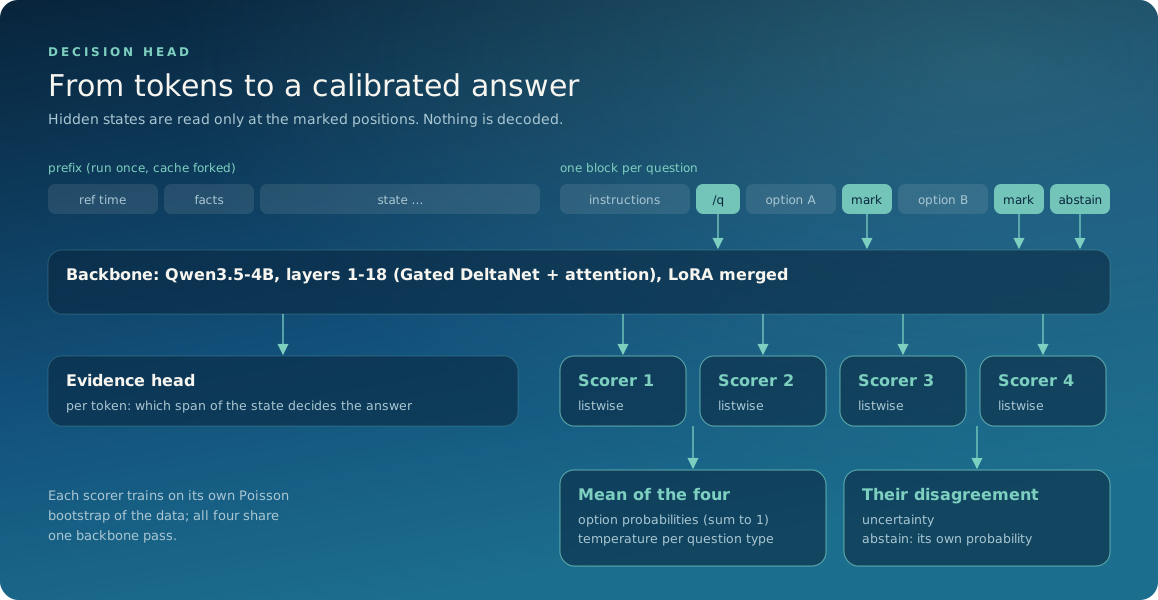
Listwise option scoring on the first 18 of 32 backbone layers. Abstain is its own calibrated output, and four bootstrap-trained heads give an uncertainty estimate from one backbone pass.
The state is processed once and its cache, including linear-attention recurrent state, is forked across questions. Length buckets and CUDA graphs take model time from about 2.3 s to 14 ms.
Deterministic preprocessing turns dates, durations, running totals and thresholds into short fact lines. They are hints to the model, never overrides.
Two different frontier models label each item blind; a third judges only their disagreements and a random audit sample.
Onefile,onecommand.
pip install blackdrome-noma
noma serve        # API on /v1/systemone, playground on /

from noma import Noma

model = Noma.from_pretrained("BlackdromeAILabs/noma")
answers, _ = model.decide(
    state="Deploy 4/6 finished. 3 of 12 pods failing readiness.",
    questions={
        "step_ok": {"type": "noul", "instructions": "Did the rollout succeed?"},
    },
)
The weights are one 5.4 GB file with the backbone and adapter already merged. It runs in 5.2 GB of GPU memory and speaks the same /v1/systemone API as Jev, so existing clients work unchanged.
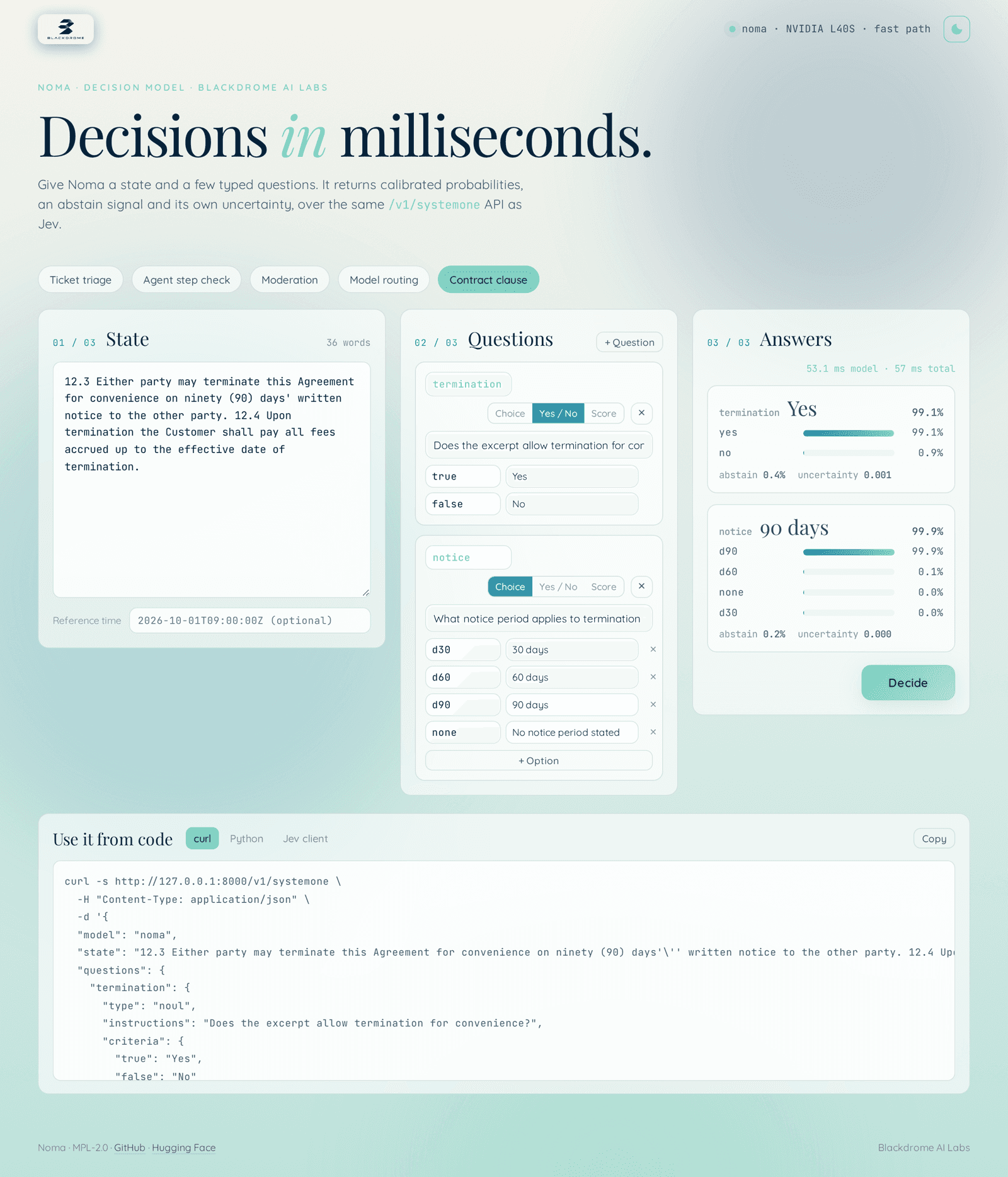
A local playground ships with the server: paste a state, build questions, and copy the request as code.
Builtforsingle-passdecisions.
Noma classifies, routes, scores and verifies. Questions that need several chained steps of arithmetic or date reasoning belong with a reasoning model, and Noma's abstain and uncertainty signals are there to hand them off. Text only, states up to 4,096 tokens, evaluated in English. Open weights under MPL-2.0.